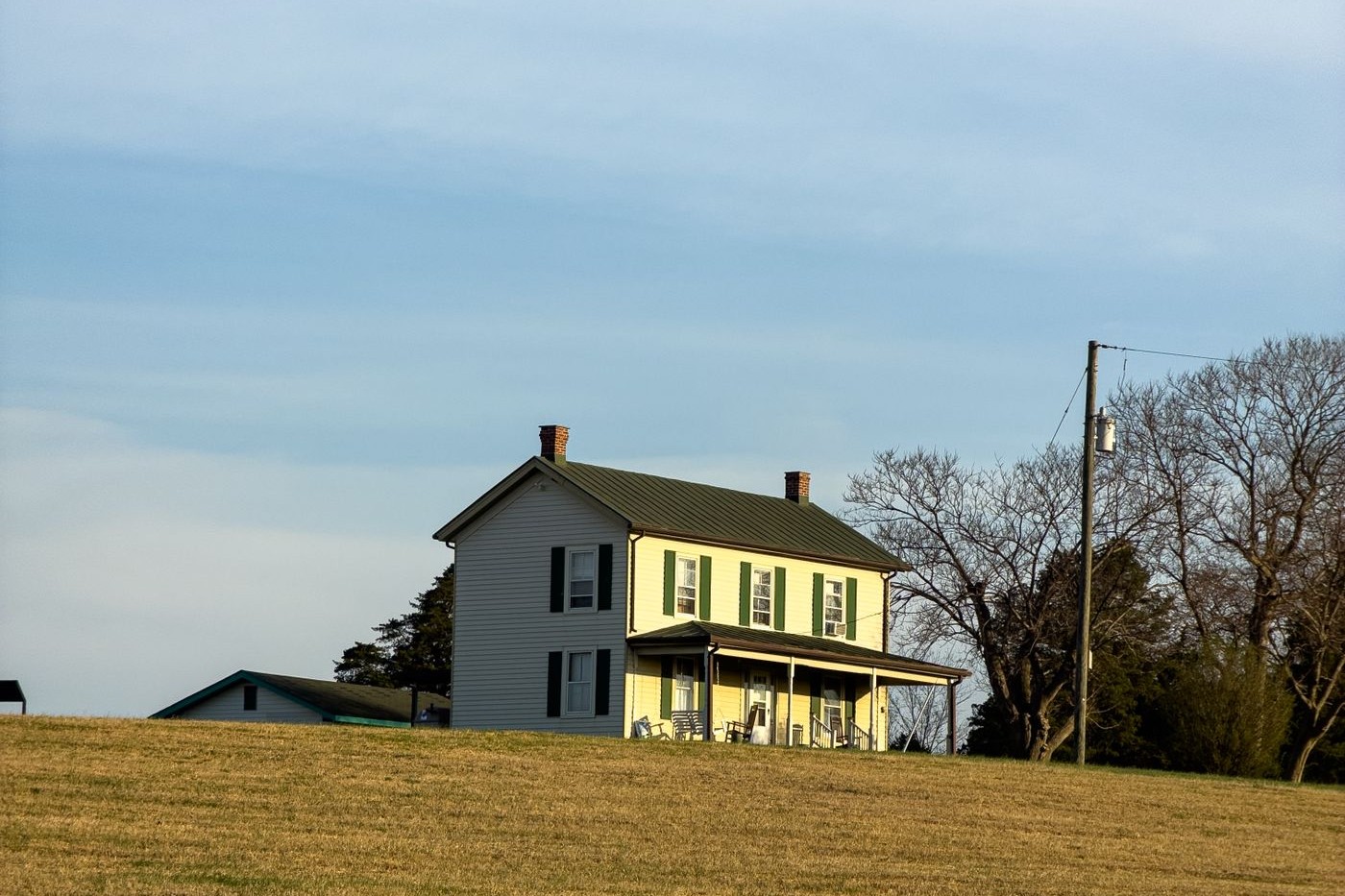
Gwinnett County spent two sessions this fall asking residents a question it has been sitting with for years: what should become of the Maguire-Livsey Family Big House, a weathered two-story farmhouse in Snellville whose 190-year history runs from an enslaving plantation to nearly a century under one Black family's ownership.
The county's Department of Community Services held an in-person update and input session on the grounds of the house, at 4530 Anderson-Livsey Lane, on Saturday, Sept. 26, from 10 a.m. to noon, with a virtual session following on Tuesday, Sept. 29, from 6 to 7:30 p.m. Both were framed as working sessions — reviewing themes the county has heard so far and gathering fresh input on priorities before the next planning phase.
“The community's voice is essential in this process,” said Chris Minor, Gwinnett's Parks and Recreation director, in the county's announcement. He said the input from the meetings “help us ensure the restoration reflects both the site's history” and the needs of the residents it now serves.
From The Promised Land to the Livsey family
The house's history is layered. Thomas Maguire, an Irish immigrant born in 1801, bought the first 40 acres in the 1820s and named the property “The Promised Land.” The farmhouse is believed to have been built in the early 1830s, and by 1860 census records show 26 enslaved people living and working on what had grown into a plantation of more than 1,200 acres by 1863.
After Maguire's death in 1886 the land was subdivided and the house passed through tenant families before Robert and Morena Livsey — an African American couple — bought the home and 110 surrounding acres in 1926. Because mortgage lending discriminated against Black buyers at the time, the Livseys purchased through a bond-for-title agreement instead. They raised 13 children on the property, farmed it, and later started local businesses before dividing the land among their children. Many of their descendants still live in the area today.
The Livsey family sold the house to Gwinnett County in 2017 specifically for historic preservation. Since then the county has commissioned a Historic Structure Report from Lord Aeck Sargent and a companion “Promised Land Report” from New South Associates that includes oral history interviews with descendants, and has recruited a group of 13 community ambassadors to help guide the restoration's direction.
What's next
The county has not yet published a construction timeline or cost estimate for the physical restoration — this fall's meetings were explicitly about gathering community priorities before that phase begins, including how the site should balance its two histories: the enslaved people who lived and worked there before the Civil War, and the Black family that owned, farmed, and raised generations of children on the same ground afterward.
Residents who missed both sessions can still find project updates, the completed historic reports, and contact information through the county's dedicated project page.